
When 17 Neighbours Have Moved Out and One Hasn't: What the Bombay High Court Just Said About Redevelopment Holdouts
A single dissenting member can't stall society redevelopment, the Bombay HC says. What the 5 Nov ruling means for Mumbai flat owners, NRIs and holdouts.
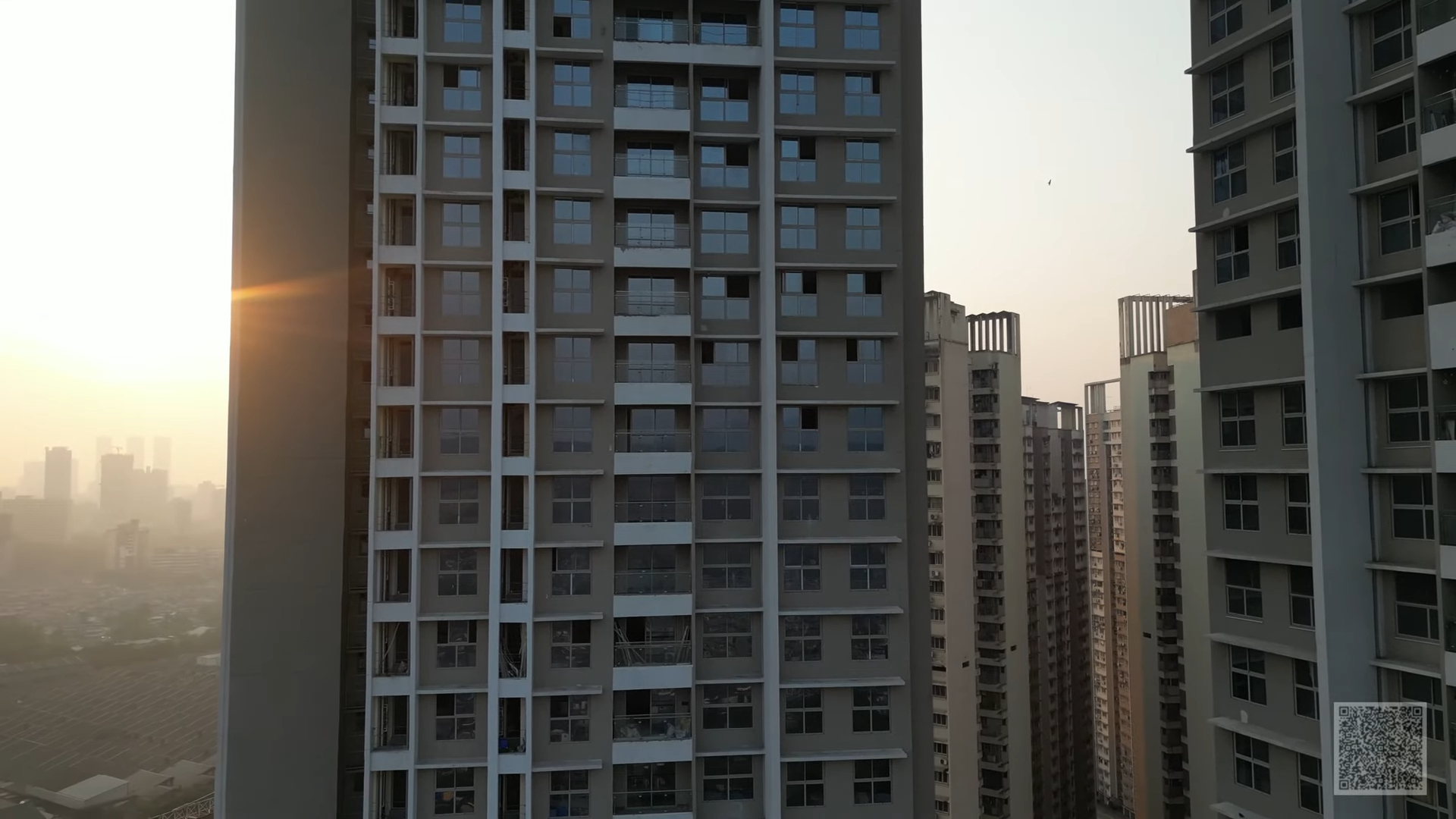
Picture the moment. Your society voted for redevelopment years ago. You packed up a home full of memories, moved your family into a rented flat, and started receiving transit rent from the developer. Then the building just stands there, empty except for one locked door, because one member won't hand over the keys.
It is one of the most frustrating ways a redevelopment can stall after everyone else has done their part. This month the Bombay High Court gave a very clear answer about what should happen next, and I think every society member, on either side of a vote, should understand it.
What did the Bombay High Court decide?
On 5 November 2026, Justice Sandeep V. Marne allowed a writ petition filed by a housing society, Pritam Sadan Sahakari Gruharachana Sanstha Maryadit, against one of its members. You can read the full judgment here; LawChakra and Court Book have also summarised it.
The facts, as recorded in the judgment, are simple:
- The society has 18 members and a 37-year-old building in Ideal Colony, Kothrud, Pune.
- Its general body resolved to redevelop on 29 July 2018. A developer was chosen at a general meeting in July 2022, and 17 of the 18 members backed the agreements that followed.
- The Deputy Registrar granted an NOC under Section 79A of the Maharashtra Co-operative Societies Act on 19 December 2024, the Commencement Certificate came on 13 August 2025, and the development agreement dated 31 March 2026 was registered on 15 April 2026.
- Members were asked to vacate by 31 May 2026. Seventeen did, and the developer paid them transit rent for June, July and August 2026.
- One member, the legal representative of the late member holding Flat No. 3, did not hand over possession. The society also said ₹60,160 in maintenance dues were outstanding on that flat.
The society asked the Co-operative Court for an interim order to get possession. That court said no on 29 April 2026, reasoning that handing over the flat at an interim stage would amount to giving final relief. The Co-operative Appellate Court accepted it had the power to order vacation, but still dismissed the appeal on 10 September 2026.
The High Court set both orders aside. It directed the member to hand over the flat by 20 November 2026, and said that if she does not, the society may take possession with police assistance, preparing an inventory of anything left inside.
Why did the court side with the majority?
The heart of the judgment is about who actually gets hurt when one flat holds up a project. In the court's words, the real sufferers are "disciplined members who act in the spirit of majority decision and give away their homes for redevelopment of the building. They cannot be made to suffer on account of whims and fancies of the dissenting members."
The judgment makes three practical points:
- A strong case is presumed. Where a society or developer seeks possession from a dissenting occupier, the court held that a strong prima facie case "has to be necessarily presumed", once it is shown that the majority decided to redevelop through the chosen developer and the time to vacate has arrived.
- "Interim looks like final" is not a reason to refuse. If courts wait until the end of the case, the developer may walk away, and the project the case is meant to protect is lost.
- The holdout loses nothing important by leaving. She is entitled to transit rent from the date she vacates and a new flat in the rebuilt building, so the balance of convenience is "heavily tilted" towards the society.
Does this apply to Mumbai societies too?
The building in this case is in Pune, but the Bombay High Court's jurisdiction covers Mumbai and the judgment leans on earlier rulings that are very much about Mumbai life. One it quotes, Lakhani Realty LLP v. Kalina Darshan CHSL (decided 27 August 2026), involved a society where 134 of 158 members had vacated while the occupiers of 24 flats had not. The court there directed the remaining members to vacate, noting they were "holding the entire redevelopment project to ransom".
It also relies on Pranav Constructions v. Priyadarshini CHSL, where the court held that individual members are bound by the development agreement their society signs, and that disputes about a member's entitlements are not a reason to refuse interim orders to vacate.
My reading is that the direction of the law is now very settled: once a society has followed due process and the vacation date has passed, a small minority cannot freeze the building. That doesn't mean a member's grievance disappears. It means the grievance gets argued while the building is being rebuilt, not instead of it.
What if I genuinely disagree with my society's redevelopment?
Disagreeing is completely legitimate. Many members have real worries about carpet area, the developer's track record, or the transit rent. The lesson from this ruling is about when and how to raise them:
- Speak up early. The time to object is at the general body meetings, the tender stage and before the development agreement is approved. Our guide to the 2026 redevelopment rules explains the consent thresholds, secret ballot and tender steps.
- Put it in writing. Objections recorded in minutes and letters carry weight later. Silence followed by a locked door does not.
- Don't ignore the forums. In this case the member did not appear before either Co-operative Court, and a court bailiff found the flat locked. Courts can only weigh concerns that are actually put before them.
- Negotiate terms, not the building's future. If your issue is the size of your new flat or the rent, that's a dispute about entitlements. As the earlier rulings show, it usually won't stop the project going ahead.
Our member's redevelopment checklist lists the questions worth asking before you vote.
How long had this redevelopment been waiting?
The society's resolution was passed on 29 July 2018, about eight years and three months before the High Court's judgment. The developer's agreed obligation, the judgment notes, is to complete the new building by 1 December 2029, with a grace period of only six months. Every month a building sits empty with one flat occupied eats into that timeline while transit rent keeps running. I'd treat that as the real cost of a holdout, and it falls mostly on the neighbours.
A redevelopment vote is a promise between neighbours, and the time to disagree is before the keys are handed over.
What this means for you
If you've already vacated and are waiting on a holdout
This ruling strengthens your society's hand. The practical route is for the society (or the developer, depending on the agreement) to seek an interim order for possession from the Co-operative Court, a civil court or, under the arbitration clause, the court with powers under Section 9 of the Arbitration and Conciliation Act. Keep copies of the resolutions, the vacation notice and your transit rent receipts. Our post on whether transit rent is taxable covers the tax side of that rent.
If you're the member who hasn't agreed yet
Take advice early and engage with the process. My reading is that courts are now plainly unwilling to let one or a few flats hold up a building, and the path of simply staying put is likely to end with a court deadline anyway. Using the time to negotiate clear terms, in writing, will usually serve you far better.
If you're an NRI owner
Distance makes it easy to miss a meeting, a notice or a vacation deadline, and a locked flat can look like non-cooperation even when it's just an owner abroad. Make sure the society has your current email, appoint someone you trust with written authority, and respond to notices promptly. Through NRI property management, we can follow up with your society on your behalf and keep the replies on record in the TND app.
How we help
We aren't lawyers, and for a redevelopment dispute you need one. What we do is the steady groundwork that keeps owners out of trouble. In one of our published cases in Parel, a society's records showed money due on a flat while the NRI owners were sure they had paid every bill. We asked for the bills and the flat's ledger, found the gap was a one-time share money and entrance fee rather than maintenance, and the owners paid it and got a receipt. In another case in Thane West, where we hold the owner's power of attorney, a tenant was stopped at the society gate over an uncommunicated ₹5,000 move-in charge; we escalated the same morning and the society allowed the shift. Clean records and someone on the ground matter even more when a redevelopment deadline arrives. You can read more on our Owners' Wall, and if you're weighing whether to sell before redevelopment, a property valuation is a calm first step.

Frequently asked questions
Can one member stop a housing society's redevelopment in Maharashtra?
Not once the majority has decided through due process and the time to vacate has come. On 5 November 2026 the Bombay High Court ordered the last of 18 members to hand over her flat by 20 November 2026, with police assistance if she does not.
Can a society get possession from a dissenting member before the case is finally decided?
Yes. The High Court held that courts should grant an interim mandatory injunction and presume a strong prima facie case once the majority decision and the vacation deadline are shown.
Does the dissenting member lose her flat?
No. According to the judgment, she is entitled to transit rent from the date she vacates and a new flat in the reconstructed building.
What should a member who disagrees with redevelopment do?
Raise objections early and in writing at general body meetings, take independent legal advice, and appear before any forum where the society brings a case. Disputes about entitlements usually won't stop the project.
Related reading
- Redevelopment Delays in Mumbai: HC Ruling
- Redevelopment Flat Smaller Than Promised?
- Self-Redevelopment in Mumbai: How It Works
If your building is stuck on one or two flats, or you're the one unsure about signing, I'm happy to talk it through with you. Book a video call through our contact page or message us on WhatsApp at +91 88504 51835.
Warmly,
Yanik
This is general information based on a published judgment, not legal advice. Please speak to a qualified lawyer about your own society and agreement.
Own a flat in Mumbai while living abroad?
TND Listings manages, sells and helps you buy property across Mumbai, Navi Mumbai and Thane, with one point of contact.
TND Listings is a professional real estate brokerage company serving buyers, sellers, NRIs and Private Institutes. At TND Listings, you are number one. We believe in integrity, commitment to excellence, a professional attitude, and personalised care.
→
Off Veera Desai Road, Andheri West,
Mumbai, Maharashtra 400053 +91 88504 51835
Prabhadevi, Mumbai,
Maharashtra 400025 +91 8850451835
Shakespeare Sarani, Kolkata,
West Bengal 700017 +91 88504 51835
Thakur Village, Kandivali East,
Mumbai, Maharashtra 400101 +91 88504 51835
CIN: U68100MH2025PTC448661
© 2020 – 2026 TND Listings Private Limited, operating under the brands TND Listings and The New Door · CIN U68100MH2025PTC448661 · MahaRERA Agent Reg. No. A51800024511