
Self-Redevelopment in Mumbai: When a Society Rebuilds Its Own Building
Instead of handing the building to a developer, some Mumbai societies rebuild it themselves. How self-redevelopment works, the incentives, and the risks.
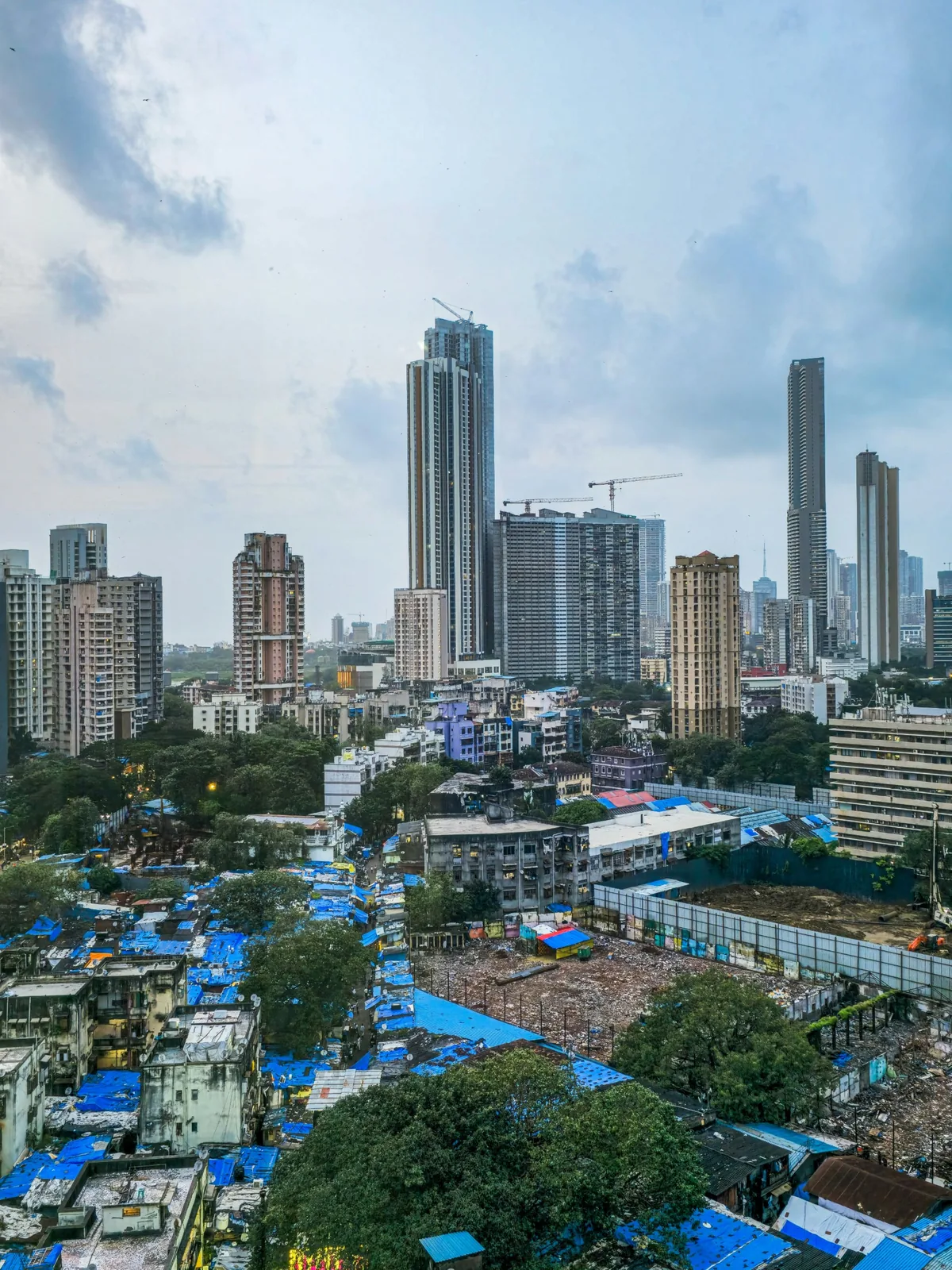
Most Mumbai redevelopment follows one model: a developer takes over the plot, rebuilds, gives members new flats and sells the extra flats to recover costs and earn a profit. Self-redevelopment flips that. The society keeps control, hires its own contractor and consultants, and keeps the surplus.
Maharashtra has promoted self-redevelopment through a Government Resolution dated 13 September 2019, and public events marking completed self-redeveloped buildings in north Mumbai have kept it in the news.
How it works
- Member consent. The general body resolves to explore self-redevelopment.
- Feasibility. An independent project management consultant (PMC) estimates costs, saleable area and surplus.
- Approvals. Plans and permissions from the planning authority.
- Financing. Usually a project loan, with members contributing a share.
- Construction. The society appoints a contractor and supervises through the PMC.
- Sale of extra flats. Sale proceeds repay the loan. Any surplus belongs to the society.
Incentives reported for self-redevelopment
Published summaries of the 2019 GR describe benefits such as additional incentive FSI, a single-window approval process and concessional stamp duty on flats re-allotted to existing members. Reports note that implementation has lagged parts of the policy. Check the current position with your PMC before relying on any concession.
Self-redevelopment gives members control and any surplus. It also hands them the risk a developer would normally carry.
Financing
The Mumbai District Central Cooperative Bank has been reported as a key lender for self-redevelopment projects. Reported terms, such as loan limits per society and an interest subsidy, come from secondary summaries, so verify them directly with the bank before planning.
The risks members carry
- Cost overruns. If steel or cement prices rise, members bear it, not a developer.
- Delays. Rent for alternate accommodation and loan interest keep running.
- Governance. A managing committee runs a construction project for years. That takes time and skill.
- Sales risk. The plan depends on selling extra flats at the expected price.
- Disputes. A few dissenting members can stall the project.
Is your society a good candidate?
| Good sign | Warning sign |
|---|---|
| Clear title and conveyance in the society's name | Conveyance pending or title disputes |
| Members largely agree | Divided membership |
| Committee with time and expertise | No one willing to manage it |
| Plot with meaningful extra FSI | Little saleable surplus |
Always compare a self-redevelopment estimate with at least one developer offer. Our member's redevelopment checklist helps you compare like for like.
Frequently asked questions
Who owns the extra flats in self-redevelopment?
The society sells them to repay the loan and fund construction. Any surplus belongs to the society and its members.
Is self-redevelopment faster than developer redevelopment?
Not necessarily. It depends on approvals, financing and how well the project is managed.
Related reading
Need tenants placed or a flat managed while your building is rebuilt? Book a video call.
Sources
- PropNewz: Self-redevelopment in Mumbai (2026)
- The Tribune: Key distribution for self-redeveloped societies in north Mumbai
General information, not legal or financial advice. Verify incentives and loan terms with the authorities and the bank.
Own a flat in Mumbai while living abroad?
TND Listings manages, sells and helps you buy property across Mumbai, Navi Mumbai and Thane, with one point of contact.
TND Listings is a professional real estate brokerage company serving buyers, sellers, NRIs and Private Institutes. At TND Listings, you are number one. We believe in integrity, commitment to excellence, a professional attitude, and personalised care.
→
Off Veera Desai Road, Andheri West,
Mumbai, Maharashtra 400053 +91 88504 51835
Prabhadevi, Mumbai,
Maharashtra 400025 +91 8850451835
Shakespeare Sarani, Kolkata,
West Bengal 700017 +91 88504 51835
Thakur Village, Kandivali East,
Mumbai, Maharashtra 400101 +91 88504 51835
CIN: U68100MH2025PTC448661
© 2020 – 2026 TND Listings Private Limited, operating under the brands TND Listings and The New Door · CIN U68100MH2025PTC448661 · MahaRERA Agent Reg. No. A51800024511