
Deemed Conveyance in Maharashtra: Why Your Society Needs Land Title Before Redevelopment Talks
If your builder never transferred the land to your society, deemed conveyance lets the society get title anyway. How it works, the law behind it and why it matters.
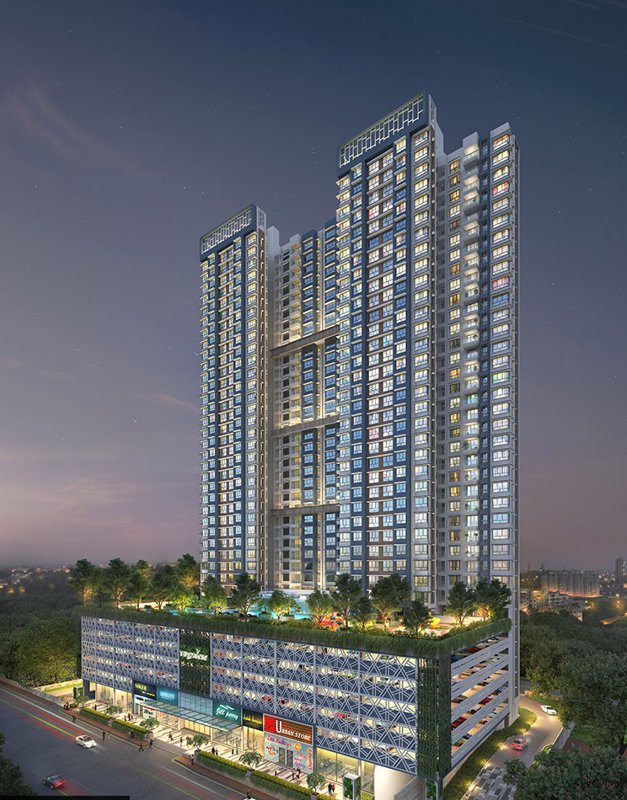
Many Mumbai societies discover a problem only when redevelopment comes up: the building belongs to the members, but the land is still in the builder's name. Without title, the society can't freely negotiate, and every developer conversation starts on the back foot. Deemed conveyance fixes that.
What is deemed conveyance?
When a builder or landowner fails to transfer the land and building to the housing society, the society can apply for deemed conveyance. After checking the documents and hearing both sides, the competent authority orders the conveyance in the society's favour (Housing.com).
What does the law say?
- Section 11 of the Maharashtra Ownership Flats Act (MOFA), 1963 requires the promoter to convey title within four months of the society being formed.
- Section 11(3), added by amendments in 2008, created deemed conveyance for when the promoter doesn't. Rules followed in 2010.
- The application is made by the society, typically to the District Deputy Registrar of co-operative societies acting as competent authority.
Why does deemed conveyance matter?
- The society holds legal title and the land records reflect it, reducing the risk of claims by the builder or third parties.
- The society can seek redevelopment or repair permissions directly, without the original builder's consent.
- The society can benefit from additional FSI and TDR.
Housing.com also notes the earlier requirement for the builder's occupancy certificate was dropped; a society can approach the municipal corporation after conveyance.
Before you discuss redevelopment, make sure the society owns the land it is negotiating over.
How does a society apply for deemed conveyance?
- Pass a general body resolution authorising the application.
- Collect documents: members' registered agreements, the society registration certificate, approved plans, land records, and proof that the builder was asked to convey.
- File the application with the competent authority. Housing.com notes a Rs 2,000 court fee stamp on the application.
- Attend the hearing, where the builder can respond.
- After the order, pay the stamp duty as adjudicated and register the conveyance.
What this means for you
- Members of older societies: ask your committee whether conveyance is done before redevelopment talks begin. Read about the 2026 redevelopment rules.
- Buyers of resale flats: a society with conveyance done is a cleaner purchase. Check it as part of your due diligence with our buyer's tool hub.
- NRI owners: conveyance needs members' documents; keep scanned copies ready. For flats we manage, they sit in the TND app.
Frequently asked questions
What is deemed conveyance in Maharashtra?
It is a process under Section 11(3) of MOFA that lets a housing society get title to its land and building when the builder fails to convey it.
Who grants deemed conveyance?
The competent authority, typically the District Deputy Registrar of co-operative societies, after hearing the society and the builder.
Why is deemed conveyance important for redevelopment?
With title, a society can seek permissions and negotiate redevelopment directly, and benefit from additional FSI and TDR.
Related reading
Is your society stuck on conveyance or redevelopment? Book a video call or WhatsApp me.
Warmly,
Yanik
General information, not legal advice. Societies should work with an advocate on conveyance.
Own a flat in Mumbai while living abroad?
TND Listings manages, sells and helps you buy property across Mumbai, Navi Mumbai and Thane, with one point of contact.
TND Listings is a professional real estate brokerage company serving buyers, sellers, NRIs and Private Institutes. At TND Listings, you are number one. We believe in integrity, commitment to excellence, a professional attitude, and personalised care.
→
Off Veera Desai Road, Andheri West,
Mumbai, Maharashtra 400053 +91 88504 51835
Prabhadevi, Mumbai,
Maharashtra 400025 +91 8850451835
Shakespeare Sarani, Kolkata,
West Bengal 700017 +91 88504 51835
Thakur Village, Kandivali East,
Mumbai, Maharashtra 400101 +91 88504 51835
CIN: U68100MH2025PTC448661
© 2020 – 2026 TND Listings Private Limited, operating under the brands TND Listings and The New Door · CIN U68100MH2025PTC448661 · MahaRERA Agent Reg. No. A51800024511