
The RBI Just Raised Rates to 5.50%. Here's What It Means for Your Mumbai Home Loan, Your Rent and Your Next Move
RBI raised the repo rate to 5.50% on 7 Oct 2026. What it means for Mumbai home loan EMIs, NRI borrowers, buyers and landlords, with real numbers.
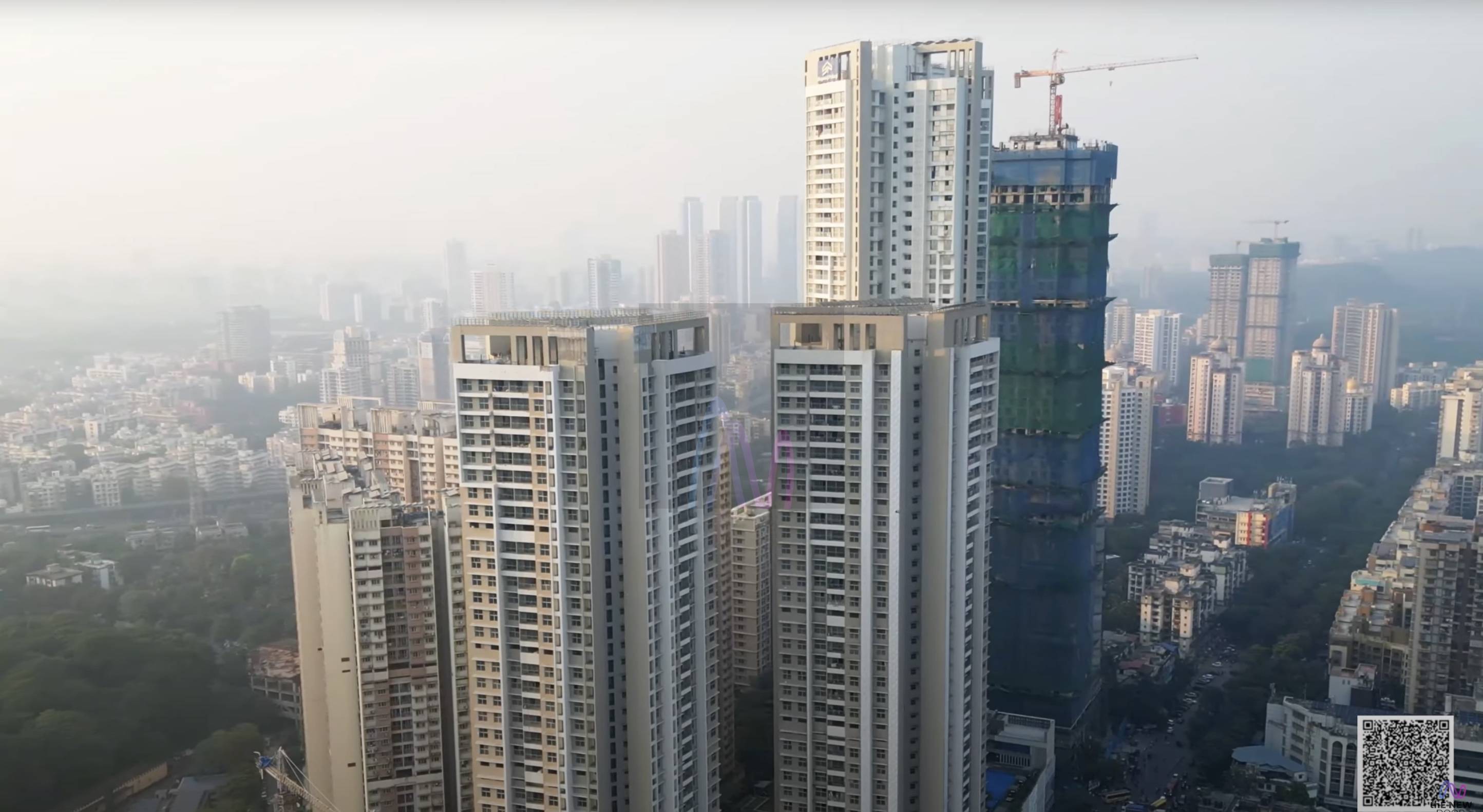
Whenever the RBI moves rates, the owners, buyers and landlords we work with ask the same question in different words: what does this do to me? An owner in Dubai with a loan on a Thane flat hears it differently from a family about to book in Powai, or a landlord in Kandivali wondering whether his tenant will now decide to buy.
So let me answer it the way I would on a call, with real numbers and no drama.
What did the RBI announce on 7 October 2026?
The Reserve Bank's Monetary Policy Committee raised the repo rate by 25 basis points, from 5.25% to 5.50%. It is the first increase since February 2023. The RBI also changed its stance to "calibrated tightening", which in plain English means the next move is more likely to be another hike or a pause than a cut. (TheTaxCorp, Urban Money)
The reason is inflation. Retail inflation reached 4.82% in August, a 22-month high, and the RBI now projects FY27 inflation at 5.2%, with prices expected to peak around 6% in the October to December quarter. Higher crude prices and a stronger dollar are part of the story. Growth, interestingly, is not the worry: the RBI actually raised its FY27 GDP forecast to 7.1%.
How much will my home loan EMI go up?
If your loan is on a floating rate linked to the repo (most home loans taken in recent years are), your rate will move when your bank passes on the hike and your loan reaches its reset date. Many repo-linked loans reset every three months, so check your sanction letter.
Here is what a 0.25% rise does on a 20-year loan that was at 8.50%:
| Loan amount | EMI at 8.50% | EMI at 8.75% | Extra each month |
|---|---|---|---|
| ₹50 lakh | ₹43,391 | ₹44,186 | ₹795 |
| ₹1 crore | ₹86,782 | ₹88,371 | ₹1,589 |
| ₹2 crore | ₹1,73,565 | ₹1,76,742 | ₹3,177 |
On a ₹1 crore loan, that is roughly ₹3.8 lakh more interest over 20 years if you keep paying the higher EMI. If the bank instead keeps your EMI the same and stretches the loan, the same ₹1 crore loan runs about 12 to 13 months longer. You can run your own figures on our EMI calculator.
Two honest points. First, ₹1,589 a month is real money, but it is not the kind of number that should make anyone panic-sell a home in Mumbai. Second, the RBI has signalled it may not be done, so it is sensible to plan for another 25 basis points rather than hope for a cut.
A quarter-point hike won't change whether you should own a home in Mumbai. It should change how carefully you plan the next twelve months.
What this means for you
If you already have a home loan
- Ask your bank one question: will they raise the EMI or extend the tenure? If you can afford it, a slightly higher EMI usually costs less overall than a longer loan.
- Small prepayments go further now. Even one extra EMI a year cuts years off a 20-year loan.
- Check your spread. If your bank is charging you well above what it offers new customers, ask for a reset or consider a balance transfer.
If you are an NRI with a loan on your Mumbai flat
Your loan is in rupees, so the hike applies to you exactly as it does to a resident. Make sure your NRE or NRO account has enough headroom for the new EMI, because a bounced EMI hurts your credit far more than a ₹1,500 increase. If the flat is let, this is a good moment to look at whether the rent is keeping pace. Our valuation tool and market insight page give you a quick read.
If you are about to buy
Don't rush to beat the next hike, and don't walk away either. Get your loan sanctioned before you sign, compare at least three lenders, and build your budget on a rate 0.5% higher than today's quote. Our guide to buying in Mumbai as an NRI covers stamp duty and the other costs on top of the price.
If you are a landlord
When borrowing gets dearer, some families who were about to buy decide to rent for another year. That can help demand for well-kept rental flats, but it rewards owners who price sensibly and keep the home in good shape. A flat that sits empty for two months costs far more than a modest rent rise earns. We wrote about this in protecting an empty flat from abroad.
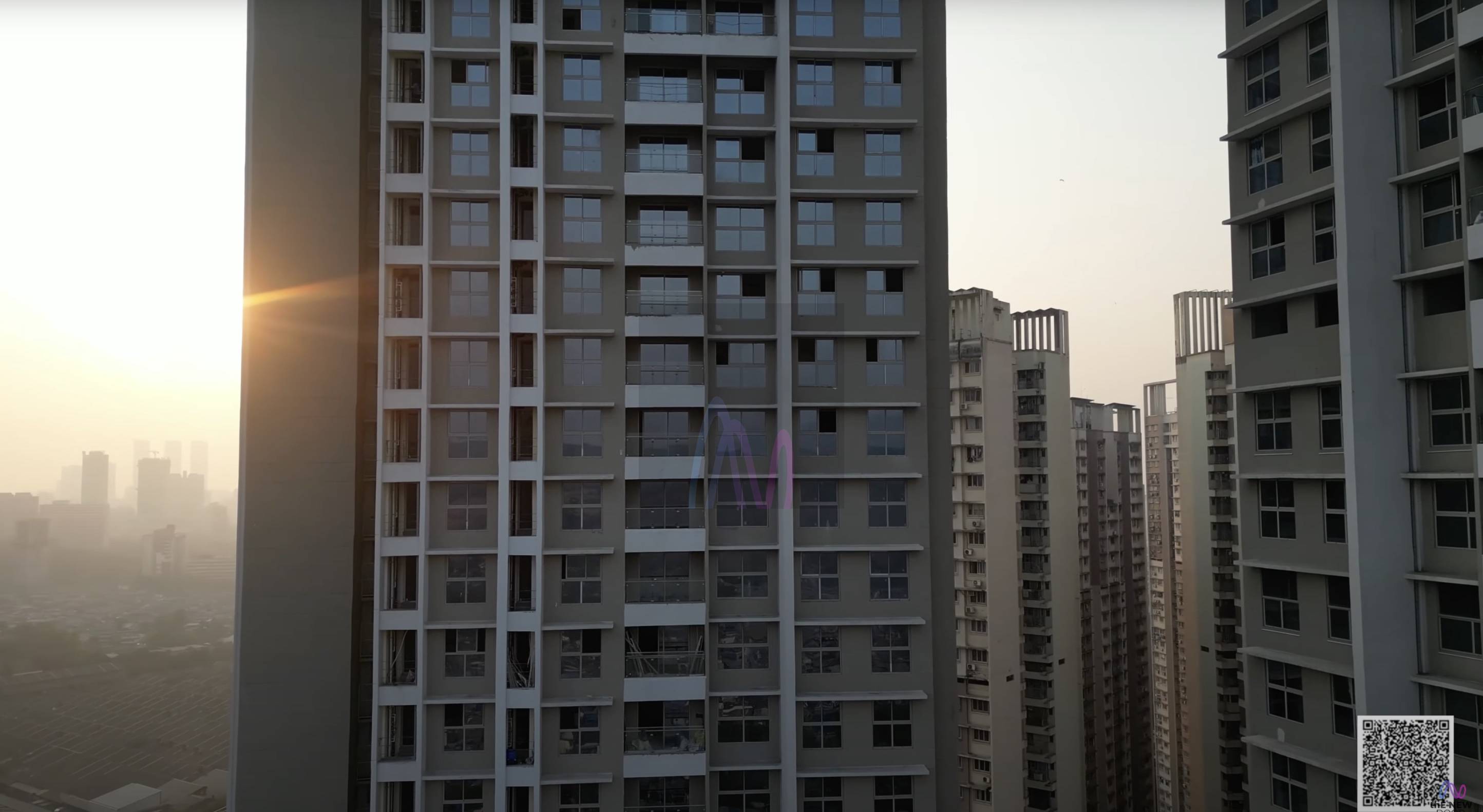
How we're helping owners this month
For the owners we look after, we're doing three things: flagging every lease that renews in the next 90 days so rent is reviewed on time, making sure TDS on rent is correct so no one loses credit they need for cash flow, and giving sellers an honest price read rather than an optimistic one. If you'd like the same for your flat, here's how TND property management works.
Frequently asked questions
What is the RBI repo rate after October 2026?
5.50%, after a 25 basis point increase announced on 7 October 2026. It was the first hike since February 2023.
Will my home loan EMI increase automatically?
If your loan is on a floating, repo-linked rate, your rate rises when your bank passes on the hike and your loan reaches its reset date, often every three months. Your bank may raise the EMI or extend the tenure.
How much will EMI rise on a ₹1 crore home loan?
On a 20-year loan at 8.50%, a 0.25% rise takes the EMI from about ₹86,782 to ₹88,371, an increase of roughly ₹1,589 a month.
Does the RBI rate hike affect NRI home loans?
Yes. Home loans for Indian property are rupee loans, so NRI borrowers see the same change as residents.
Related reading
- Buying property in Mumbai as an NRI (2026)
- Best areas to rent or buy in Mumbai in 2026
- Selling Mumbai property as an NRI
If you want to talk through your own loan, rent or sale, I'm happy to. Book a video call or message us on WhatsApp at +91 88504 51835.
Warmly,
Yanik
General information, not financial advice. EMI figures are illustrative; your lender's terms decide the actual change.
Own a flat in Mumbai while living abroad?
TND Listings manages, sells and helps you buy property across Mumbai, Navi Mumbai and Thane, with one point of contact.
TND Listings is a professional real estate brokerage company serving buyers, sellers, NRIs and Private Institutes. At TND Listings, you are number one. We believe in integrity, commitment to excellence, a professional attitude, and personalised care.
→
Off Veera Desai Road, Andheri West,
Mumbai, Maharashtra 400053 +91 88504 51835
Prabhadevi, Mumbai,
Maharashtra 400025 +91 8850451835
Shakespeare Sarani, Kolkata,
West Bengal 700017 +91 88504 51835
Thakur Village, Kandivali East,
Mumbai, Maharashtra 400101 +91 88504 51835
CIN: U68100MH2025PTC448661
© 2020 – 2026 TND Listings Private Limited, operating under the brands TND Listings and The New Door · CIN U68100MH2025PTC448661 · MahaRERA Agent Reg. No. A51800024511