
Thinking of a Plot or a Flat in Khopoli? Five Checks to Make Before You Pay a Rupee
Buying a plot or flat in Khopoli near Mumbai? Five risks to check first: title, zoning, MahaRERA, hidden costs and resale. A calm guide from TND Listings.
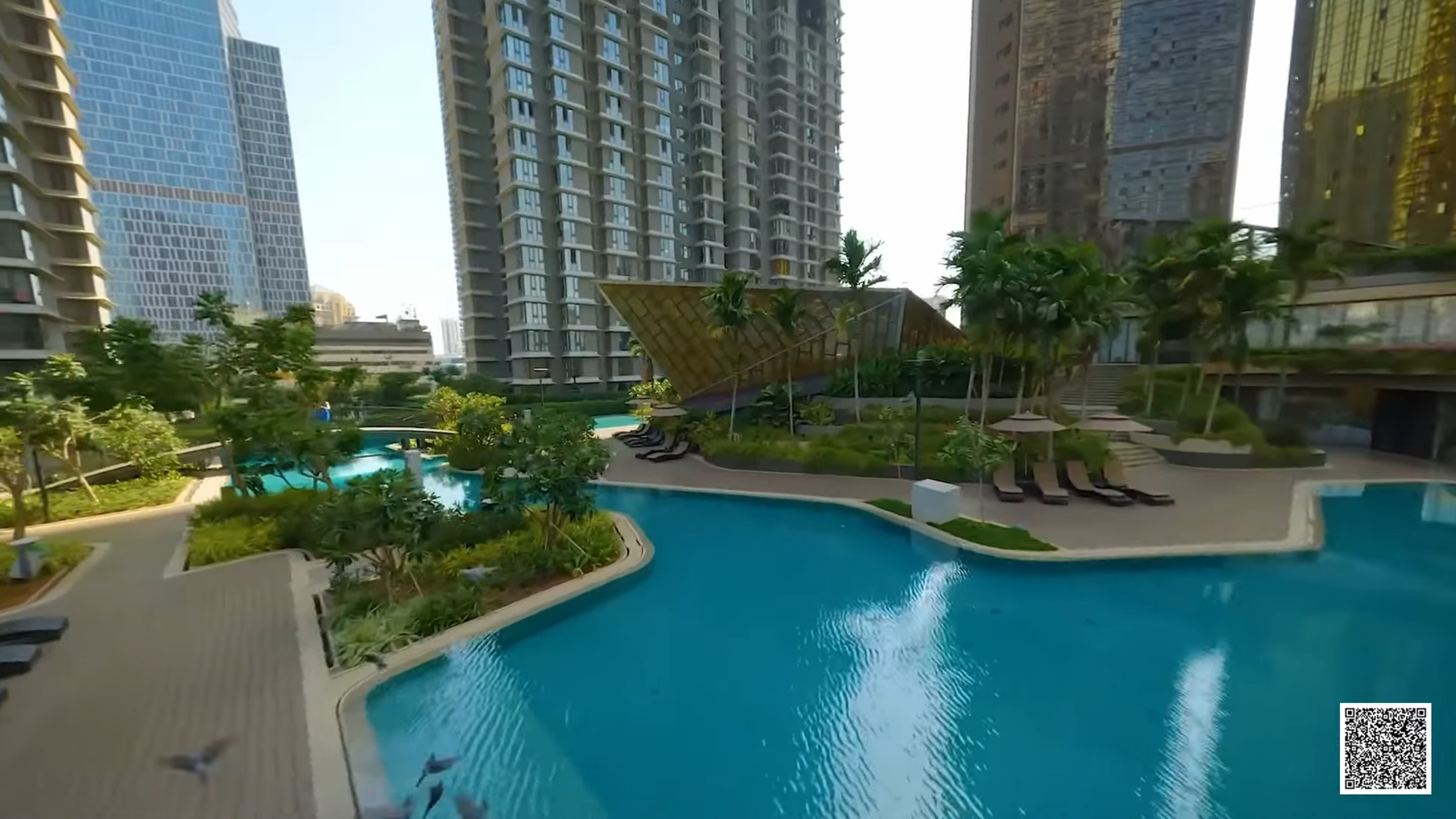
There is a particular kind of dream that a lot of Mumbai families share. A little piece of land, a bit of green, a weekend home you build your own way, maybe the house you retire into one day. For many people that dream now points east, out along the Mumbai–Pune Expressway towards Khopoli.
I understand the pull completely. But dreams and land paperwork live in very different worlds, and I want you to walk into this with your eyes open. So let me share what was reported this week, and then how I would think about it if you were family.
What is happening in Khopoli right now?
On 11 November 2026, Business Today published a buyer advisory on choosing between a plot and an apartment near Mumbai, focused on Khopoli and the Panvel–Karjat corridor. It describes Khopoli as sitting on the Mumbai–Pune Expressway, with improving connectivity and growing interest from organised developers.
Two big names are part of that story. The report says Shapoorji Pallonji Real Estate has announced a 900-acre plotted township with an estimated gross development value above ₹6,000 crore, and that NeoLiv has acquired 76 acres for a proposed ₹800-crore development of plots, villas and retail.
A week earlier, on 4 November 2026, the Free Press Journal reported, citing The Economic Times, that Shapoorji Pallonji Real Estate plans to unlock a landbank of more than 3,000 acres across Maharashtra through plotted developments, with revenue potential above ₹10,000 crore over the next three to four years. For the 900-acre township on the Mumbai–Pune corridor, the report says the master plan is complete, key approvals for the first phase are in place, phase one covers 200 acres and is expected to be completed within 30 months.
So yes, serious money is moving into this belt. My reading is that this will bring better-planned layouts than the scattered plot sales many people remember. But it also brings a wave of marketing, and marketing is very good at talking about sunsets and very quiet about 7/12 extracts.
Is a plot better than a flat near Mumbai?
It depends on who you are and what you want the property to do for you. Business Today puts it fairly: a plot suits buyers who want to customise and can manage construction and a longer holding period, while an apartment offers easier occupancy, established amenities and potentially more predictable rental income.
Here is how I would frame it for you:
- If you want to live in it or rent it out soon, a ready flat is usually simpler. You can see what you are buying, and you can price it against real rents. Our live listings and the Navi Mumbai flats page are a good reality check on what a finished home costs closer in.
- If you want a long-term holding or a home you will build later, a plot can make sense, as long as you are comfortable that the money may sit quietly for years.
- If you are an NRI, remember that someone has to stand on that land, chase permissions and watch a contractor. That is a very different job from collecting rent on a flat.
What are the five risks to check before buying a plot in Khopoli?
The Business Today piece lists five risks. I agree with every one of them, so let me walk you through each in plain words.
1. Land ownership and title
Check the chain of title, registered sale deeds, encumbrance records, mutation entries and the 7/12 extract where it applies. Look for outstanding loans, inheritance disputes, litigation and any transfer restrictions. The report is clear that a developer's reputation is not a substitute for your own independent legal check. I would underline that twice. A strong brand on the hoarding does not clean up a messy family tree on the land record.
2. Zoning and land use
Is the plot in an approved residential zone? Does it need non-agricultural (NA) conversion or other permissions? Buying agricultural land without understanding the restrictions can land you in serious legal trouble. If anyone tells you "conversion will happen later, don't worry", that is exactly the moment to worry a little.
3. MahaRERA registration and approvals
Find out whether the project has to be registered with MahaRERA, then verify the registration, sanctioned layout, development permissions and declared completion timeline on the regulator's website. Our RERA verification page and RERA helpdesk can help you read what you find. One important caution from the report: MahaRERA registration does not guarantee returns and does not remove execution risk. It tells you the project is on record, not that it will be finished on time.
4. Hidden infrastructure and construction costs
A flat comes with walls. A plot comes with a to-do list. Beyond the land price, budget for stamp duty, registration, construction, utility connections, a compound wall, drainage, maintenance and any development charges. In managed plotted communities, check exactly which amenities are included and when they will actually be working. Run your numbers on our EMI calculator before you fall in love with a layout plan.
5. Resale liquidity and uncertain appreciation
Plots can take longer to sell than flats, especially in emerging locations where few people actually live yet. Infrastructure news, including better airport connectivity, can lift sentiment, but it does not guarantee higher prices. The report's advice is to look at real transactions, nearby occupancy, jobs and local infrastructure rather than projected returns. I would treat any brochure line that promises a number as a wish, not a fact.
Why does paperwork matter so much, even on a "simple" deal?
Because the trouble usually hides in old documents, not in new ones. One of our own published cases is a resale flat in Kandivali East. The buyer's bank found an old agreement on the flat that had since been cancelled, and paused the loan. We put together the cancellation papers the bank asked for and kept the buyer, the seller and the bank moving on one timeline.
That was a flat in a city society, with a bank doing its own checks. With land on the edge of the region, the records are older and the chain can be longer. If old paper can pause a city resale, imagine what it can do to a plot nobody has examined properly. You can read more of our real cases on the Owners Wall.
A plot can be a beautiful dream, but only clean paperwork turns it into an asset you can actually sell.
What this means for you
If you are a buyer in Mumbai
Decide first what the property is for. A weekend home, a future build and a rental investment need different choices. If you want rental income soon, compare a Khopoli plot honestly against a ready flat closer in. Our buyers tool hub is a good place to start that comparison.
If you are an NRI owner or buyer
Distance makes land harder, not easier. Before you commit, be sure you have someone you trust to check records, meet the developer and follow up on permissions. Our NRI buying and selling service exists for exactly that kind of on-ground work.
If you already own a flat and are thinking of selling to buy land
Please do not sell first and research later. Get the plot's paperwork checked before you put your flat on the market, so you are never stuck between two half-finished deals.
How we help
We have spent 17 years on the ground in Mumbai and manage 725 homes today. We can help you compare a plot against a ready flat, go through documents with you and check the new projects you are considering. If you buy a flat to rent out, our property management team can take it from handover to tenant.
Frequently asked questions
Is Khopoli a good place to buy a plot in 2026?
It is attracting large developers, including a reported 900-acre plotted township and a 76-acre NeoLiv project. Whether it is good for you depends on clear title, correct zoning, MahaRERA status where required, your full budget and how long you can hold.
What is a 7/12 extract and why does it matter?
It is a Maharashtra land record extract. Business Today lists it among the documents to check, along with the chain of title, sale deeds, encumbrance records and mutation entries, before buying a plot.
Does MahaRERA registration guarantee my plot will be developed on time?
No. Registration lets you verify approvals, layouts and declared timelines on the regulator's website, but it does not guarantee returns or remove execution risk.
Should an NRI buy a plot or a flat near Mumbai?
A ready flat is usually easier to manage and rent from abroad. A plot needs someone on the ground for permissions and construction. Choose based on your plans and how much hands-on work you can arrange.
Related reading
- Mumbai 3.0 Plots in Panvel: What to Check
- Checking a Resale Flat's Title Chain
- How to Check a MahaRERA Project Before Booking
If you are weighing a plot in Khopoli against a flat somewhere closer, I would be happy to think it through with you. Book a quick video call through our contact page, or just message us on WhatsApp at +91 88504 51835. No pressure, just a calm second opinion.
Warmly,
Yanik
This is general information, not legal, tax or financial advice. Please verify land records and approvals with a qualified professional before you buy.
Own a flat in Mumbai while living abroad?
TND Listings manages, sells and helps you buy property across Mumbai, Navi Mumbai and Thane, with one point of contact.
TND Listings is a professional real estate brokerage company serving buyers, sellers, NRIs and Private Institutes. At TND Listings, you are number one. We believe in integrity, commitment to excellence, a professional attitude, and personalised care.
→
Off Veera Desai Road, Andheri West,
Mumbai, Maharashtra 400053 +91 88504 51835
Prabhadevi, Mumbai,
Maharashtra 400025 +91 8850451835
Shakespeare Sarani, Kolkata,
West Bengal 700017 +91 88504 51835
Thakur Village, Kandivali East,
Mumbai, Maharashtra 400101 +91 88504 51835
CIN: U68100MH2025PTC448661
© 2020 – 2026 TND Listings Private Limited, operating under the brands TND Listings and The New Door · CIN U68100MH2025PTC448661 · MahaRERA Agent Reg. No. A51800024511