
Vertical Property Records Are Coming to Maharashtra: What Mumbai Flat Owners Should Know
Maharashtra plans vertical property records for every flat, logging each owner's land share. What Mumbai flat owners and NRIs should check before 2027.
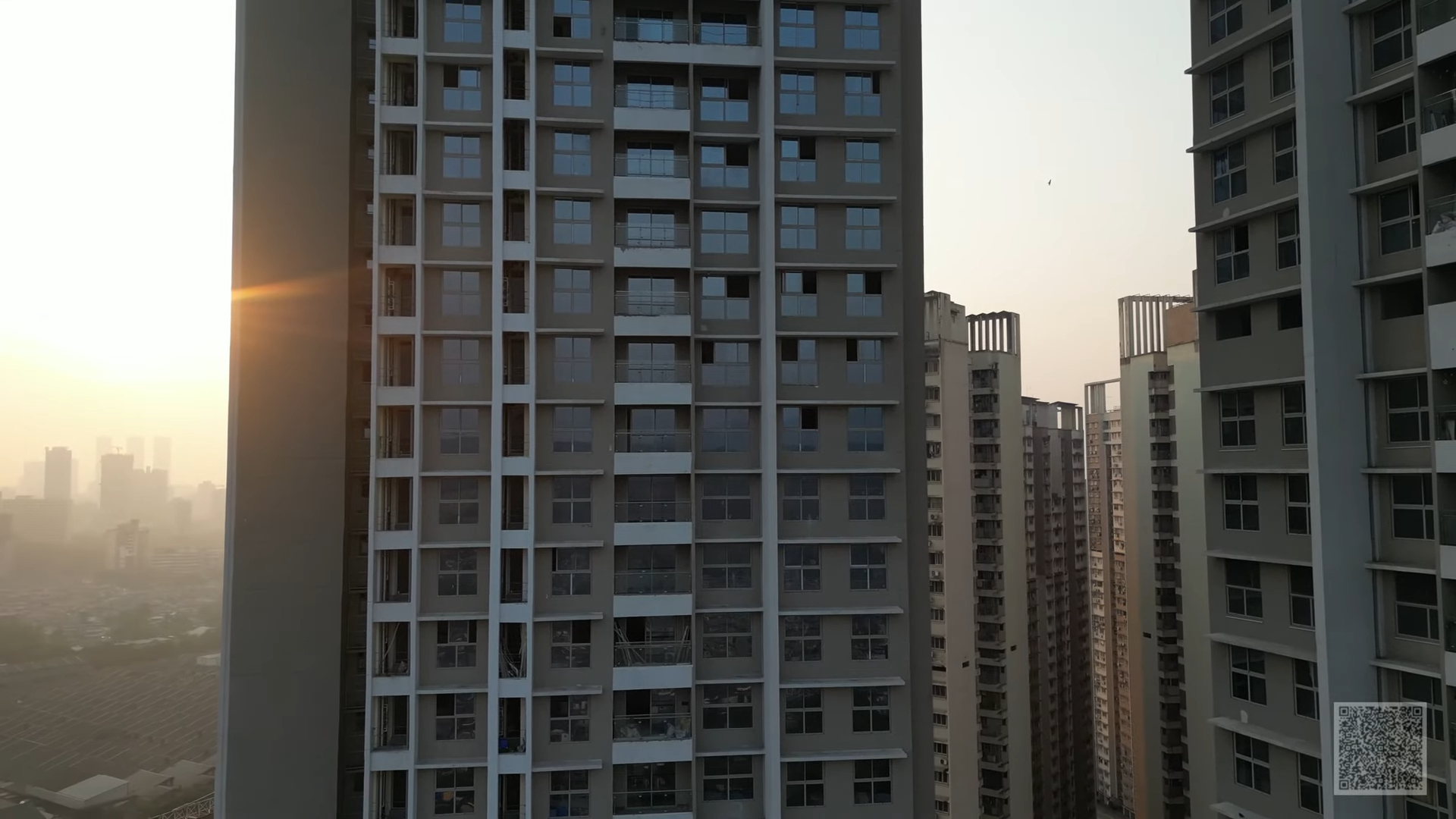
If you own a flat in Mumbai, your proof of ownership probably lives in a folder. A registered agreement, a share certificate from the society, perhaps an old chain of agreements from earlier owners, and a stack of maintenance receipts. What that folder usually does not contain is a government land record with your name on it.
That may be about to change. Maharashtra is preparing to give individual flats their own place in the state's land records, and the details of the plan were reported today.
What did Maharashtra announce about vertical property records?
As ConstroFacilitator reported on 25 November 2026, the state will introduce vertical property records for individual flat owners in phases from next year. The rollout is set to begin in smaller districts before moving to major cities, including Mumbai and Pune. A pilot is expected in the first week of January 2027, subject to final government approval.
The report says Chief Minister Devendra Fadnavis and Revenue Minister Chandrashekhar Bawankule have approved the initiative. The Revenue and Forest Department has drafted rules under the Maharashtra Land Revenue Code, 1966, titled the Maharashtra Land Revenue Record of Rights and Registers for Apartments in Buildings (Preparation and Maintenance) Rules, 2026.
State Settlement Commissioner Shailesh Nawal said the draft will be opened for public objections and suggestions before final approval, and that the process is expected to be completed by the end of December 2026.
What is a vertical property record?
Existing land records such as the property card and 7/12 extract describe land. A vertical property record goes a step further and creates a separate record of rights for each apartment. It notes the flat owner's proportionate share in the land and in the building's common facilities.
In plain words, the record would follow the building upwards, floor by floor, rather than stopping at the ground.
What will each apartment's record show?
According to the report, each apartment's record is expected to include:
- building identification and the apartment number
- the floor
- carpet area, and built-up area where applicable
- the owner's name and the source of ownership
- the owner's proportionate land rights
- rights in common facilities
- measurements of open spaces, internal roads and common areas
Will it replace my property card or 7/12 extract?
No. The report is clear that the new record will supplement the existing property card and 7/12 extract, not replace them. If you have never looked up the property card for your building's land, our guide to checking a Mumbai property card by CTS number is a good place to start.
How will the records be built?
The draft rules lean on documents that already exist. Registration officers will have to share registered apartment deeds with the revenue authorities. Landowners, developers and housing societies may be directed to cooperate, and MahaRERA can issue similar directions for registered projects.
The report also lists the departments expected to work together: revenue, cooperation, housing, urban development, town planning, and registration and stamps, along with MahaRERA and local planning authorities.
Which housing laws could change?
Amendments are being examined to three laws that shape how Mumbai flats are owned: the Maharashtra Co-operative Societies Act, 1960, the Maharashtra Ownership Flats Act (MOFA), 1963, and the Maharashtra Apartment Ownership Act, 1970. A legal opinion is also being sought on whether apartment ownership declarations should be made mandatory, who should execute them, and how changes in ownership and redevelopment will be recorded.
None of these details are final yet.
My take: why this could matter more than it sounds
This is my opinion, not something the report says. A flat's ownership is often spread across several papers: an agreement in one place, a society register in another, and a land record that says nothing about the flat at all. A single government record for each apartment, built from registered deeds, could bring those pieces together.
It will only be as good as the documents fed into it, though. If your own folder has gaps, the new record may simply reflect them.
A flat you can find in the government's own records is a flat that is easier to sell, lend against and pass on.
What this means for you
If you own a flat in a Mumbai housing society
Nothing changes overnight, and there is no form to fill in yet. But the record will be built from registered deeds and society cooperation, so this is a good moment to check that your registered agreement, share certificate and the society's member register all show the same name and the same flat details. If your society has not yet taken land title, our guide to deemed conveyance for Maharashtra housing societies explains why that step matters, and our note on the Bombay High Court ruling on deemed conveyance delays covers what happens when it drags on.
If you're an NRI owner
Distance makes paperwork gaps easier to miss. When the draft rules open for public comments, someone needs to read them and check how they apply to your flat. Our NRI property management team keeps your documents organised, and the TND app holds them alongside rent tracking, inspection reports and dual-currency and TDS reports, so they are ready when you need them.
If you're buying a resale flat
Until the new records exist, the title chain is still your main protection. Our checklist on resale flat title chain documents and the buyers' tool hub walk you through what to ask for. Here is why it matters, from our own case files: in a Kandivali East resale, the buyer's bank found an old agreement on the flat that had since been cancelled, and paused the loan. We put together the cancellation papers the bank asked for and kept buyer, seller and bank moving on one timeline.
If you're selling
My guess is that buyers and their banks will cross-check more once these records exist, so it makes sense to sort out mismatches before you list. In one case from Parel, the society's records showed money due while the NRI owners were sure every bill had been paid. The ledger showed the amount was a one-time share money and entrance fee, and it had been paid and receipted. Our sellers' guide and property valuation page can help you prepare.
How we help
At TND Listings we have spent 17 years on the ground in Mumbai and manage 725 homes. We are not lawyers, but we are good at the unglamorous work of getting a flat's paperwork to line up: gathering agreements, chasing society records and keeping everyone on one timeline. If a RERA question comes up along the way, our RERA helpdesk is a good first stop.

Frequently asked questions
What are vertical property records in Maharashtra?
They are a planned separate record of rights for each apartment in a building. Each record would note the flat owner's proportionate share in the land and in the building's common facilities, so individual flats appear in the state's land records.
When will vertical property records start in Mumbai?
The state plans to roll them out in phases from 2027, starting in smaller districts before major cities such as Mumbai and Pune. A pilot is expected in the first week of January 2027, subject to final government approval. No Mumbai-specific date has been announced.
Will the new record replace my property card or 7/12 extract?
No. The vertical property record is meant to supplement the existing property card and 7/12 extract, not replace them.
What will an apartment's vertical property record show?
It is expected to show the building identification and apartment number, floor, carpet area and built-up area where applicable, the owner's name and source of ownership, proportionate land rights, common facility rights, and measurements of open spaces, internal roads and common areas.
Do flat owners need to do anything now?
No application process has been announced. The draft rules are still to be opened for public objections and suggestions. It is a sensible time to make sure your registered agreement, share certificate and society records are complete and match each other.
Related reading
- Property Card in Mumbai: What It Shows
- Deemed Conveyance Delay: Mumbai HC Ruling
- Checking a Resale Flat's Title Chain
If you'd like someone to look over your flat's documents before the new records arrive, I'm happy to help. Book a video call through our contact page, or message us on WhatsApp at +91 88504 51835.
Warmly,
Yanik
This is general information based on published reports of draft rules, not legal advice. The rules may change before they are final, so please speak to a qualified advocate about your own property.
Own a flat in Mumbai while living abroad?
TND Listings manages, sells and helps you buy property across Mumbai, Navi Mumbai and Thane, with one point of contact.
TND Listings is a professional real estate brokerage company serving buyers, sellers, NRIs and Private Institutes. At TND Listings, you are number one. We believe in integrity, commitment to excellence, a professional attitude, and personalised care.
→
Off Veera Desai Road, Andheri West,
Mumbai, Maharashtra 400053 +91 88504 51835
Prabhadevi, Mumbai,
Maharashtra 400025 +91 8850451835
Shakespeare Sarani, Kolkata,
West Bengal 700017 +91 88504 51835
Thakur Village, Kandivali East,
Mumbai, Maharashtra 400101 +91 88504 51835
CIN: U68100MH2025PTC448661
© 2020 – 2026 TND Listings Private Limited, operating under the brands TND Listings and The New Door · CIN U68100MH2025PTC448661 · MahaRERA Agent Reg. No. A51800024511